This article provides essential tips for businesses looking to enhance their commercial sound system's effectiveness. Learn how to choose the right system, optimize sound quality, and ensure a seamless audio experience for your customers and employees.
Article
Content
Introduction
A top-notch commercial sound system can transform your business atmosphere, improving customer experience and employee productivity. However, navigating the myriad of options and technical specifications can be daunting. This guide will walk you through essential tips to maximize your commercial sound system investment.
1. Understanding Your Space
The acoustics of your space significantly impact your sound system's performance. Consider factors like room size, ceiling height, and materials used in the interior. Sound behaves differently in various environments; a carpeted room with lots of soft furnishings will absorb sound, while a large, open space with hard surfaces may echo. Tailoring your system to your specific environment is crucial.
2. Choosing the Right Equipment
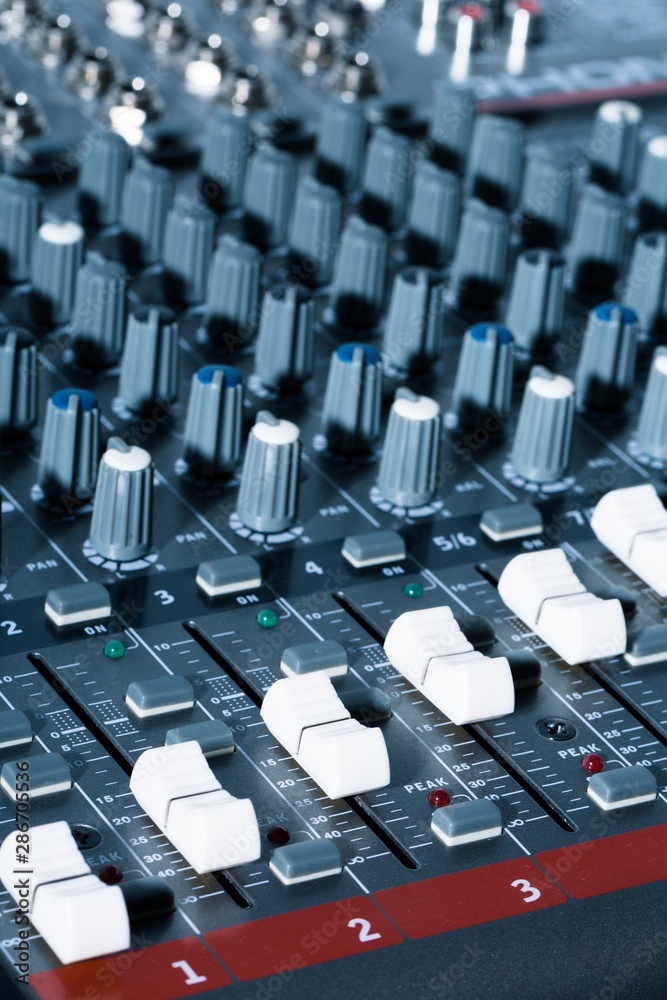
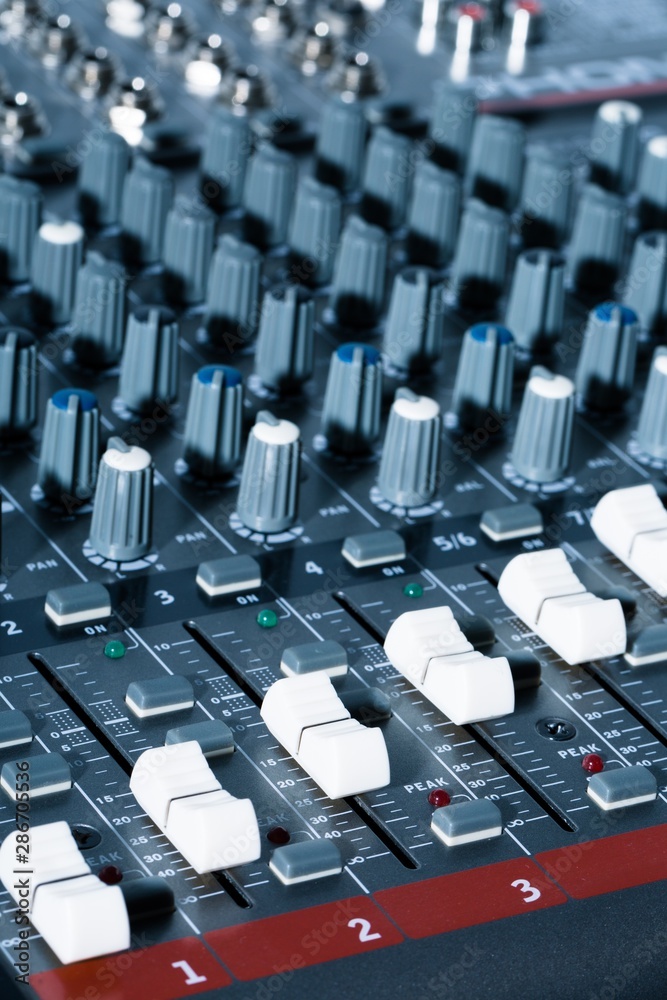
Invest in quality components that match your business's needs. For example, restaurants might prioritize background music systems that offer even coverage, while retail spaces may need a system that can handle more volume without distortion. Additionally, consider the flexibility of your system for future expansions or adjustments.
3. Professional Installation and Calibration
Even the best equipment can underperform if not installed correctly. Hiring professionals for installation ensures that speakers are placed for optimal sound distribution, and the system is calibrated to your space's acoustics. This step is vital in avoiding dead zones where sound is too low or hot spots with too much volume.
4. Regular Maintenance Checks
Maintain your system's quality by scheduling regular checks. This includes cleaning dust from equipment, checking for wire frays, and ensuring software or firmware is up-to-date. Preventative maintenance can save costs in the long run by avoiding major repairs.
Conclusion
A well-designed commercial sound system is an investment in your business's brand experience. By understanding your space, choosing the right equipment, ensuring professional installation, and maintaining the system, you can create an audio environment that enhances your business's appeal to customers.



.svg)

.svg)


.svg)